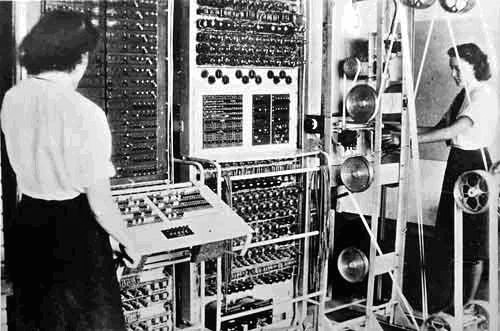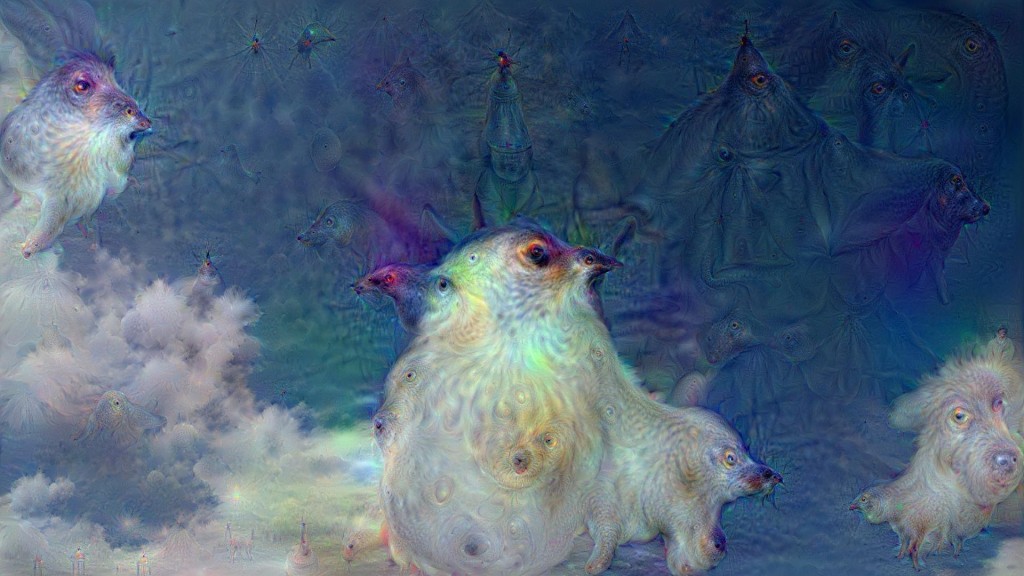
Never before in human history has such potential existed for the large-scale digital analysis of text. Thanks to the Google search engine index of the world wide web, and the emerging Google Books project, which aims to index books, an enormous amount of text exists in indexed digital form, and this base is growing constantly. But the mechanisms by which digital texts and their indices are currently used to judge the relative quality, value, or meaning of a work of text are relatively crude as compared to how humans perceive and relate to text, and especially literature, which is text as art. This begs a chain reaction of questions: are there gains to be made in the fields of literature or linguistics by exploiting this digital base of text? Is it possible to derive aesthetic principles sufficiently logical to work as algorithms for the analysis of digital text? Would analysis based on such principles yield new insights into our relationship to language and literature? Could such analysis contribute toward something like a greater computational “understanding” of text, with implications for improving search engine results, speech recognition, and computerized translation? These questions fascinate me.
Continue Reading “Quantified Aesthetics?”
-
Email
-
About
Robert Peake's poems have appeared in Iota, North American Review, Poetry International, Rattle, and are forthcoming in Magma Poetry.
-
Topics
-
Poets
- Anna Akhmatova
- Sandra Alcosser
- Marvin Bell
- Michelle Bitting
- Jawanza Dumisani
- Ralph Waldo Emerson
- B.H. Fairchild
- Robert Hass
- Seamus Heaney
- Gerard Manley Hopkins
- Ilya Kaminsky
- John Keats
- Dorianne Laux
- Li-Young Lee
- Denise Levertov
- Suzanne Lummis
- Sandford Lyne
- Sarah Maclay
- Joseph Millar
- Czeslaw Milosz
- Pablo Neruda
- Mary Oliver
- Andrew Philip
- Umberto Saba
- William Shakespeare
- Wallace Stevens